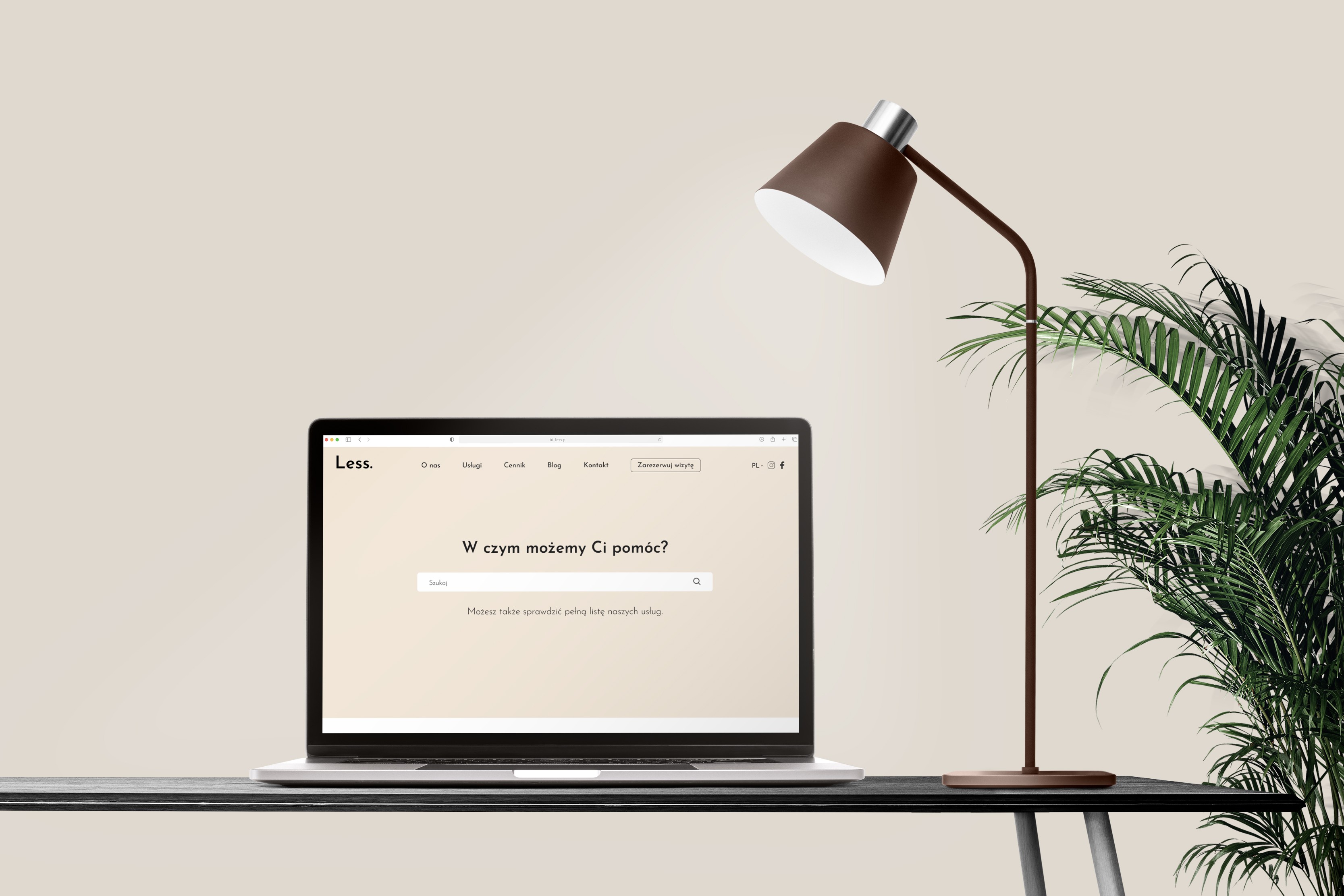
Kick-off meeting & client questionnaire
During the kick-off meeting, I gathered key insights into the business objectives and expectations for the website.
— Key findings:
• The top priority was to quickly establish trust in a new brand and encourage online bookings.
• The target audience includes women and men of all ages seeking solutions to specific skin concerns, or looking to care for themselves in a safe, comfortable environment.
• Core website sections needed to include: services and prices, online booking, the team and the salon’s philosophy, a treatment results gallery, a concern-led search feature (“What concerns you?”), contact details, and location.
• The absence of a brand book required the parallel development of foundational brand system elements alongside UX and UI work.
USER INTERVIEWS
I conducted interviews with 10 individuals who regularly use beauty salon services to understand what makes such a website feel trustworthy and user-friendly.
Key insights (10 participants):
• Users want to quickly assess whether the salon understands their concern – not just tries to sell treatments.
• Critical information includes pricing, techniques used, and visible treatment results as proof of effectiveness.
• The main conversion barrier is the lack of a simple and immediate way to book an appointment or get in touch.
Design implications:
• I structured the website around the guiding question, “How can I help you?” and concern-led categories.
• I positioned appointment booking as the primary CTA and reduced friction in the decision-making journey.
• I designed dedicated trust-building sections: team, philosophy, tools and methods, and visible treatment results.
COMPETITIVE ANALYSIS
The competitive analysis revealed recurring communication patterns within the beauty industry: a heavy focus on service lists, strong sales-driven messaging, and limited explanation of how salons genuinely help their clients.
The findings indicated that the competitive advantage of Less. should be rooted in empathy, an individualised approach, and problem-led communication rather than offer-led messaging.
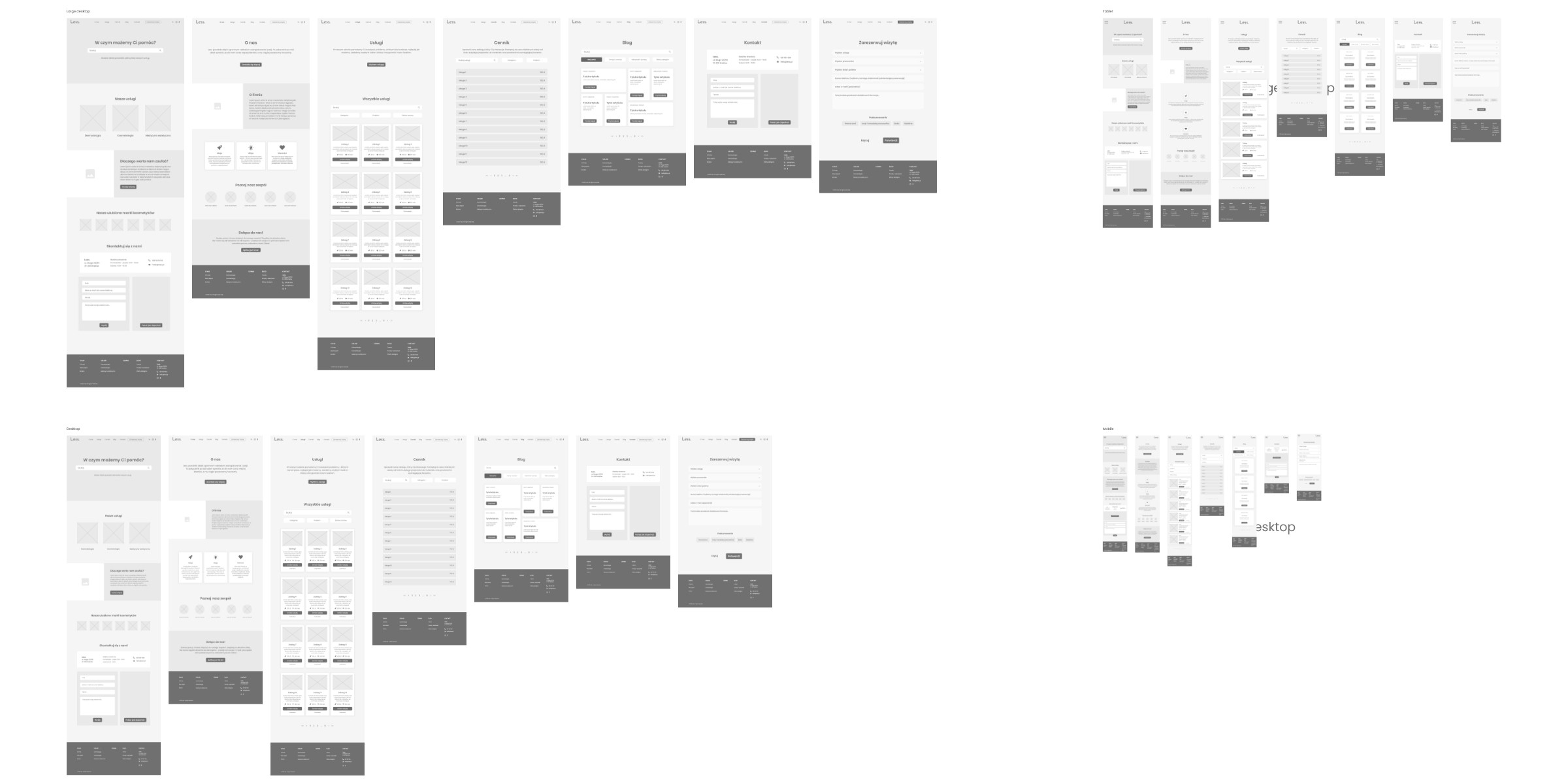
Based on this, I designed a user-centred site structure that prioritises client needs and shortens the journey from problem recognition to appointment booking.
Sample observations from competitor salon reviews:
• Recurring themes: professionalism, fair pricing, friendly service, cleanliness, personalised approach.
• Review language builds trust through specificity: comfort, effectiveness, staff expertise, atmosphere.
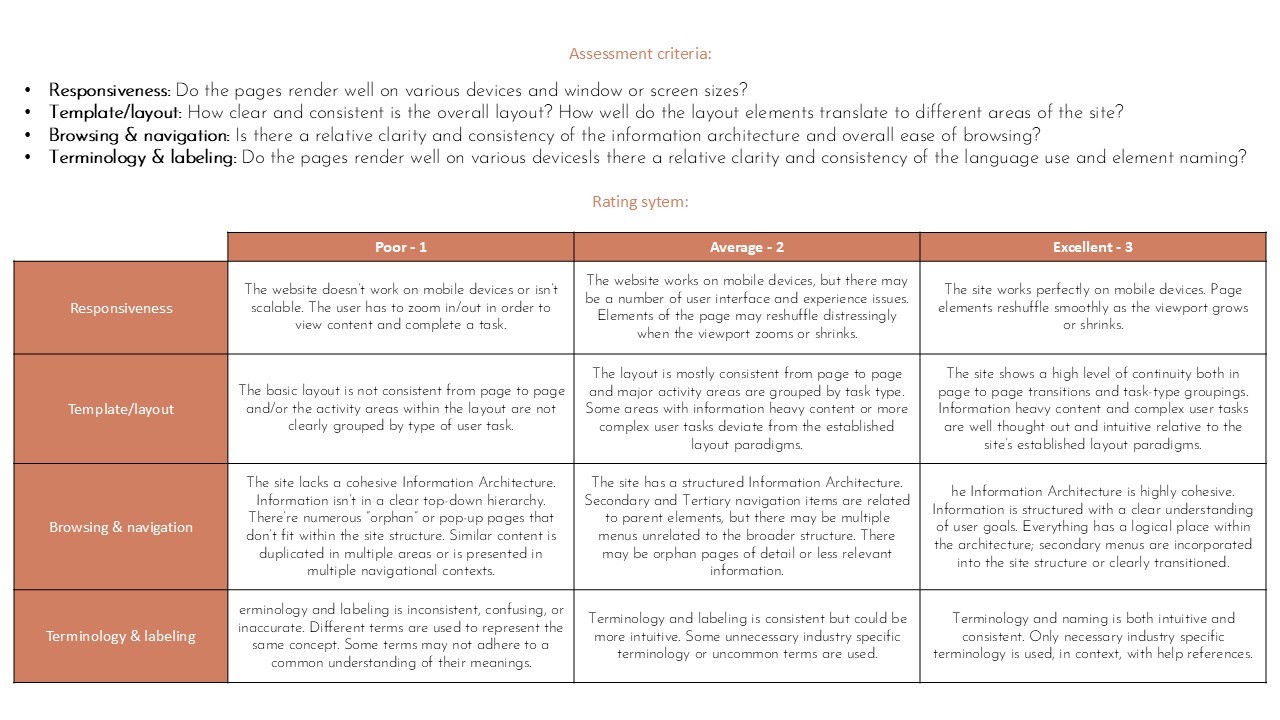
PERSONA DEFINITION
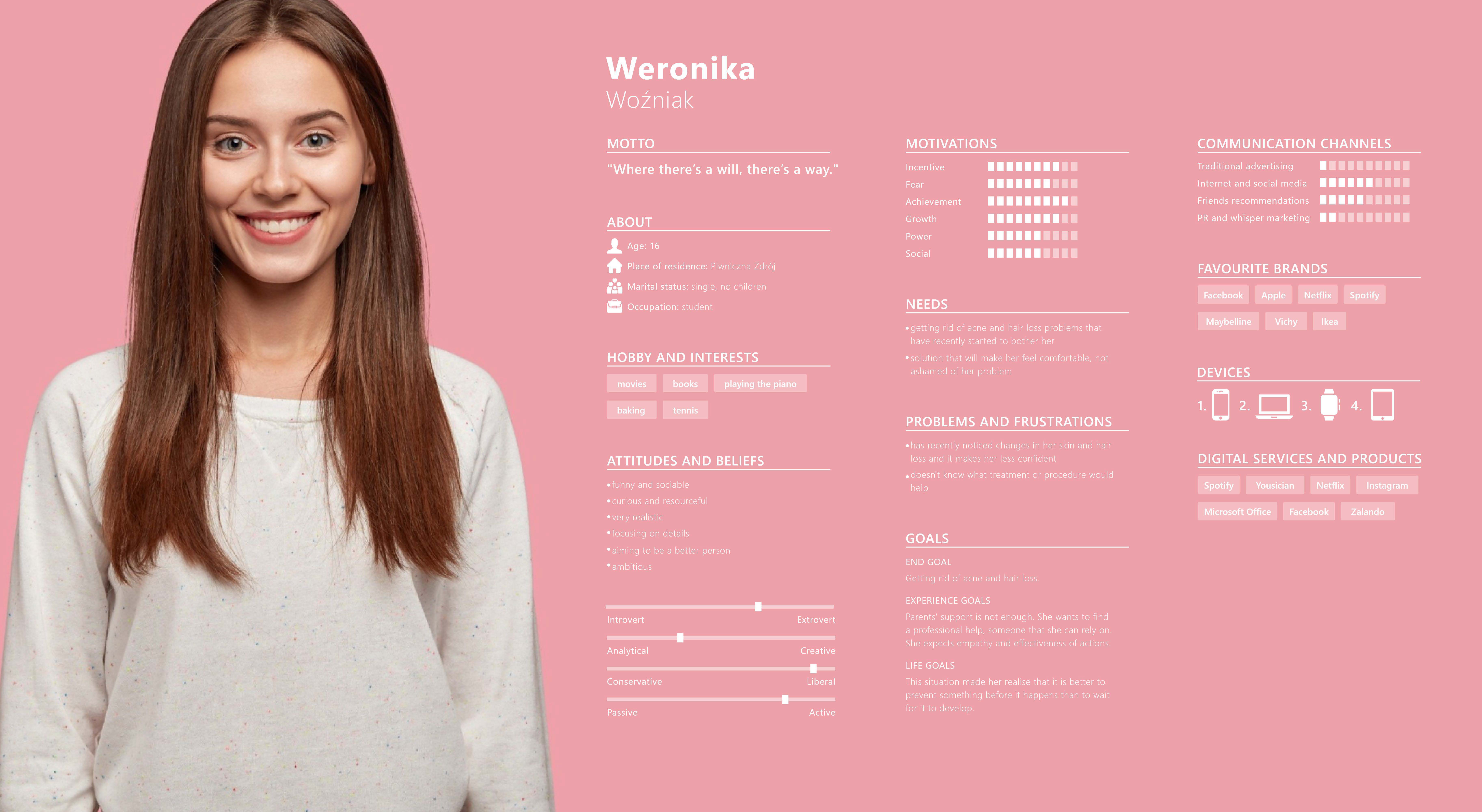
Based on user interviews and a needs analysis, I developed personas representing the key client groups of Less. The personas helped structure motivations, barriers, and decision-making contexts, translating them into concrete decisions within the website architecture and communication strategy.
The identified archetypes included:
• A young woman who is struggling with skin concerns and seeking professional, specialist support
• A busy woman who wants to take care of herself but does not have time to analyse a complex service offering
• A man who needs a neutral, non-judgemental space and a clear signal that the salon is also designed for him”
PROBLEM STATEMENT
Persona analysis revealed that users are not searching for a “treatment”, but for a solution to a specific concern and a sense of being genuinely cared for.
— Most common needs:
• Understanding their concern and receiving clear explanations of possible solutions
• Quick access to pricing and visible treatment results
• A sense of safety and professionalism
• A simple booking process without unnecessary steps
— Impact of personas on design decisions:
• Appointment booking was positioned at key touchpoints across the website
• Communication was structured around problems and benefits rather than specialist jargon
• Pricing and treatment results were surfaced earlier in the user journey
• The tone of voice was designed to be empathetic, supportive, and gender-neutral
CARD SORTING & TREE TESTING
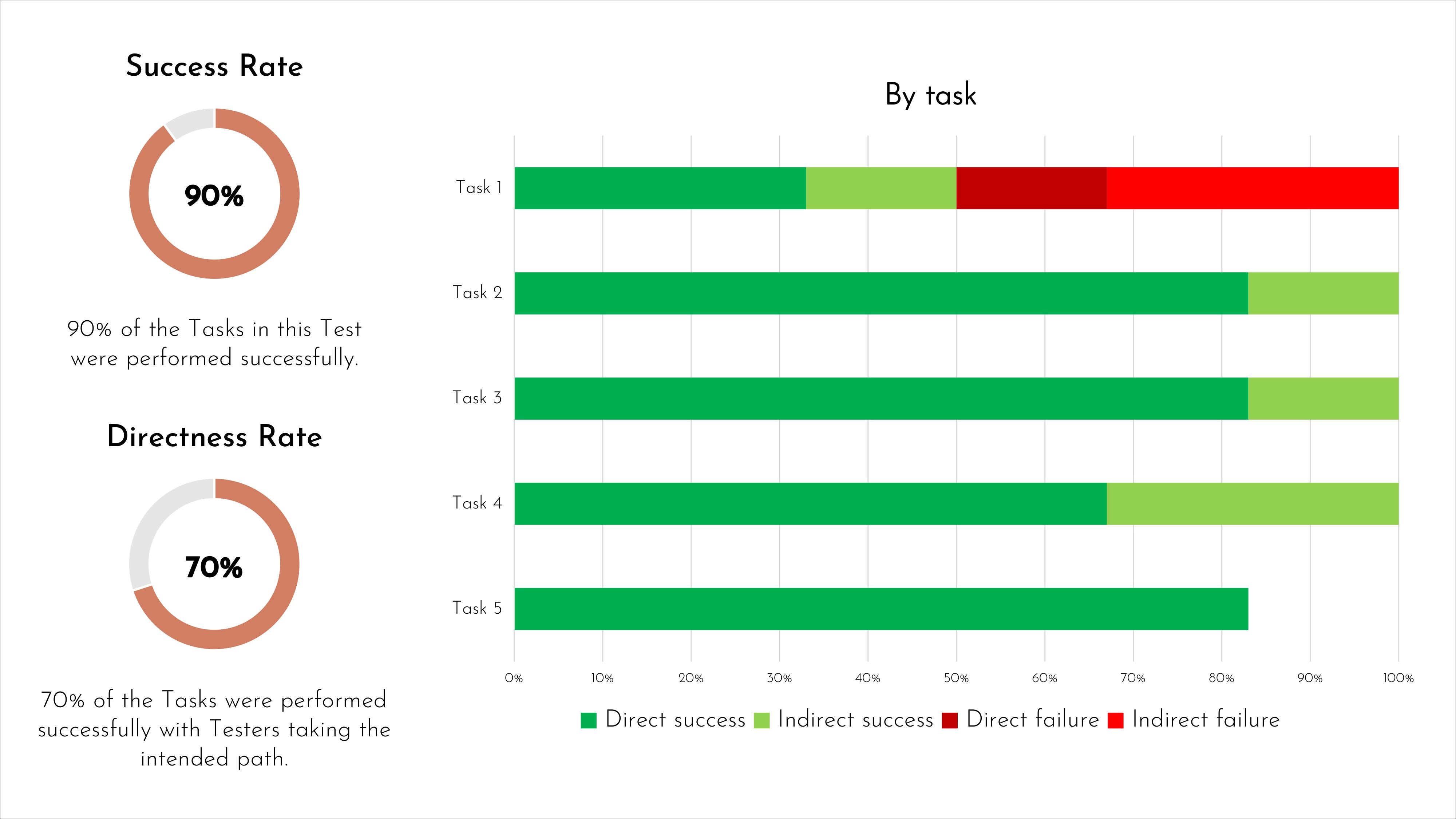
Card sorting helped identify how users naturally group information. The results showed that users primarily think in terms of problems rather than treatment names.
Tree testing confirmed that users expect:
• Quick access to pricing
• A clearly visible path to booking
• An intuitive content structure organised around problems, solutions, and results
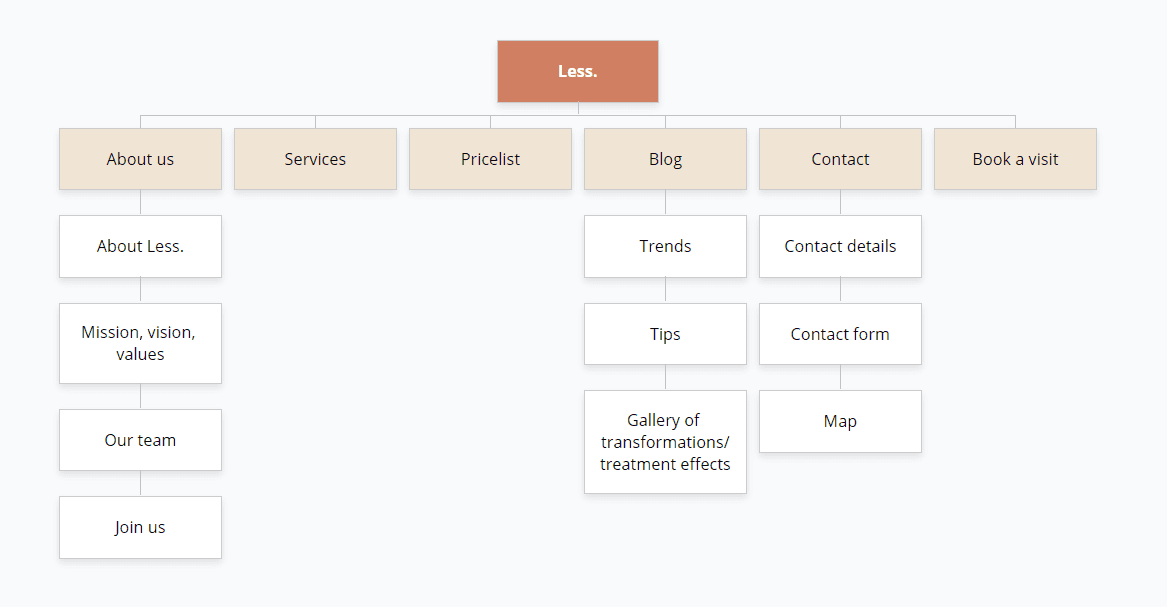
Based on these findings, I designed a simplified information architecture that shortens the decision-making path and guides users from the question “How can you help me?” directly to booking an appointment.
Visual Identity Guidelines
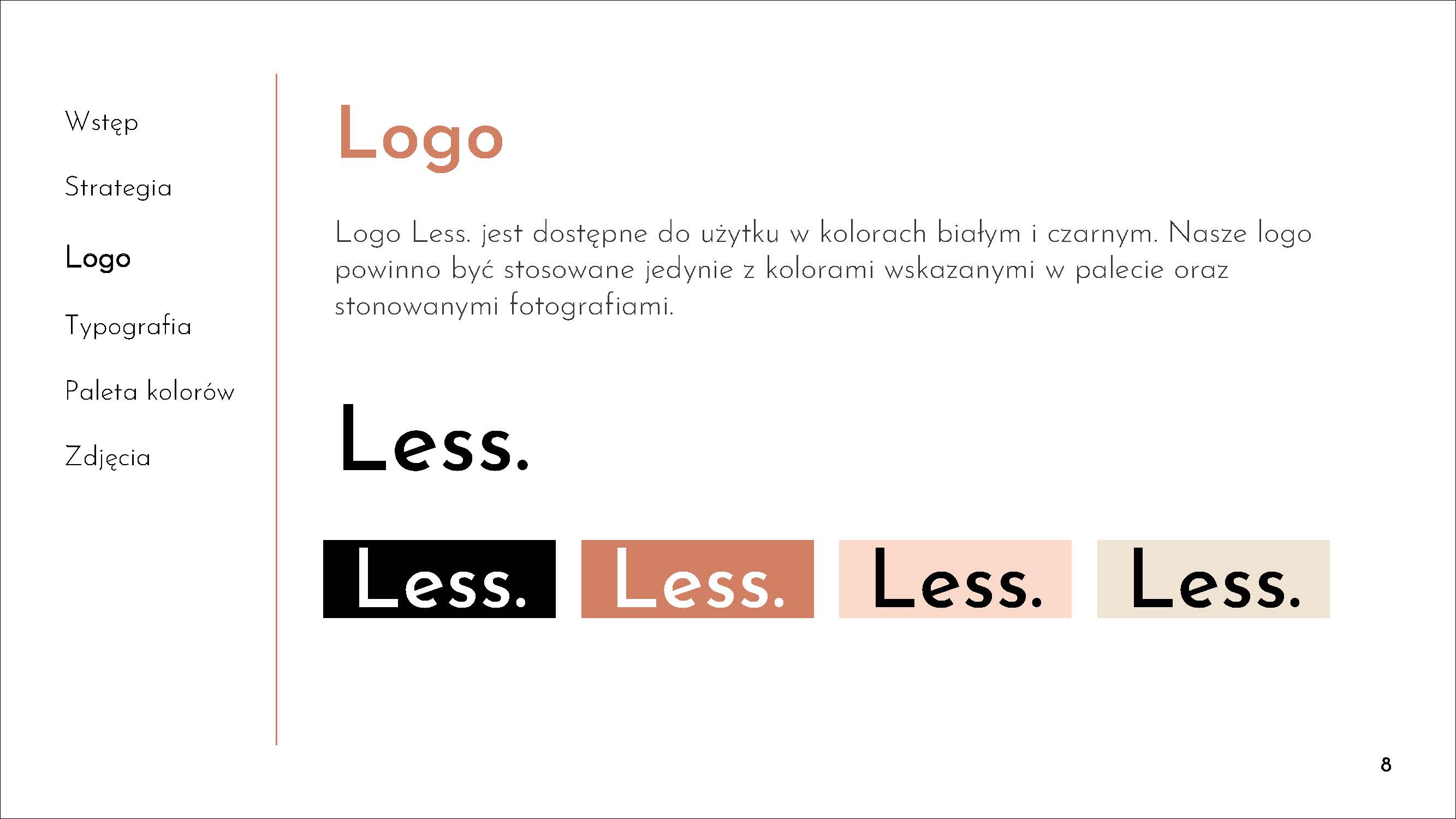
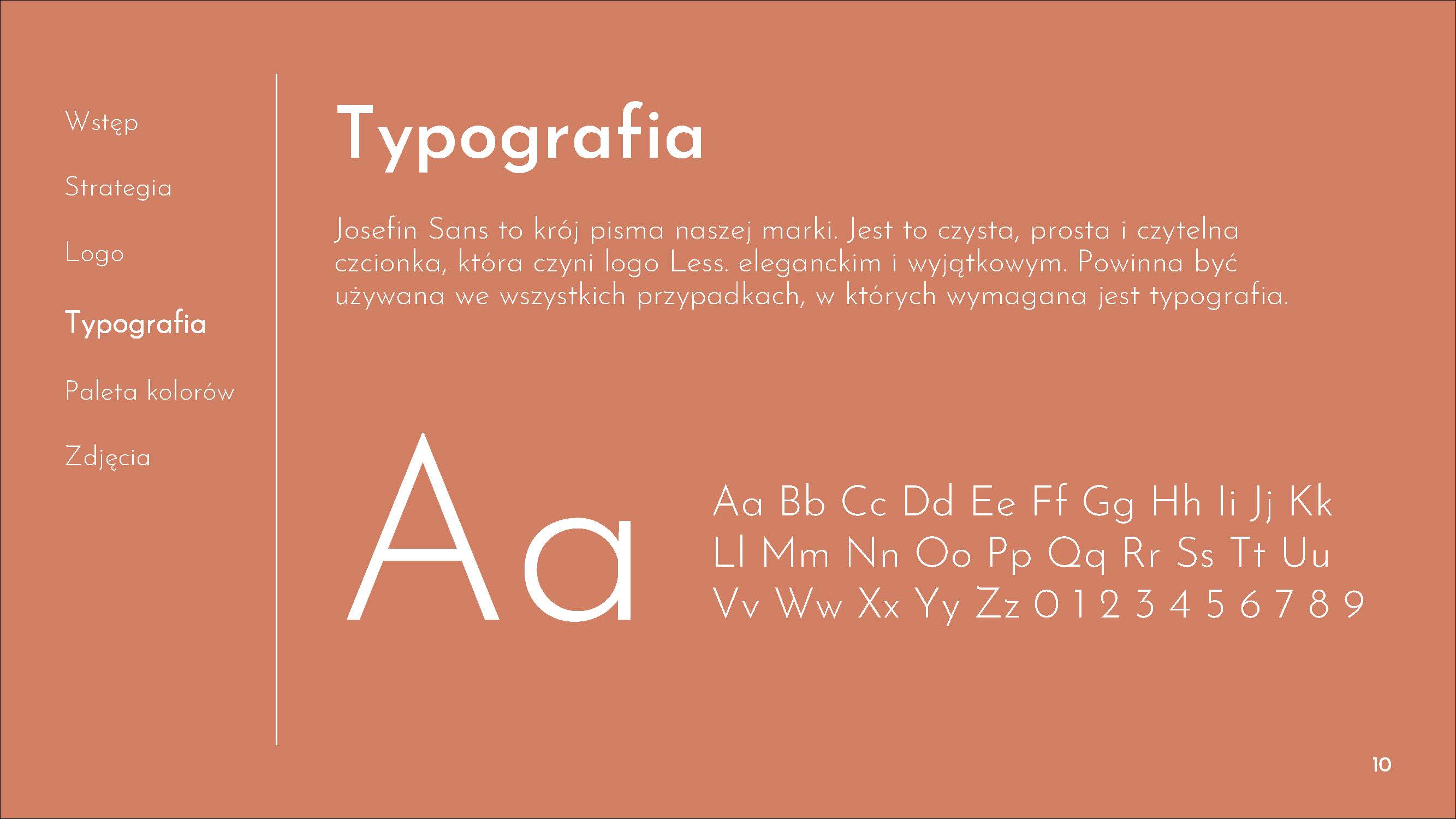
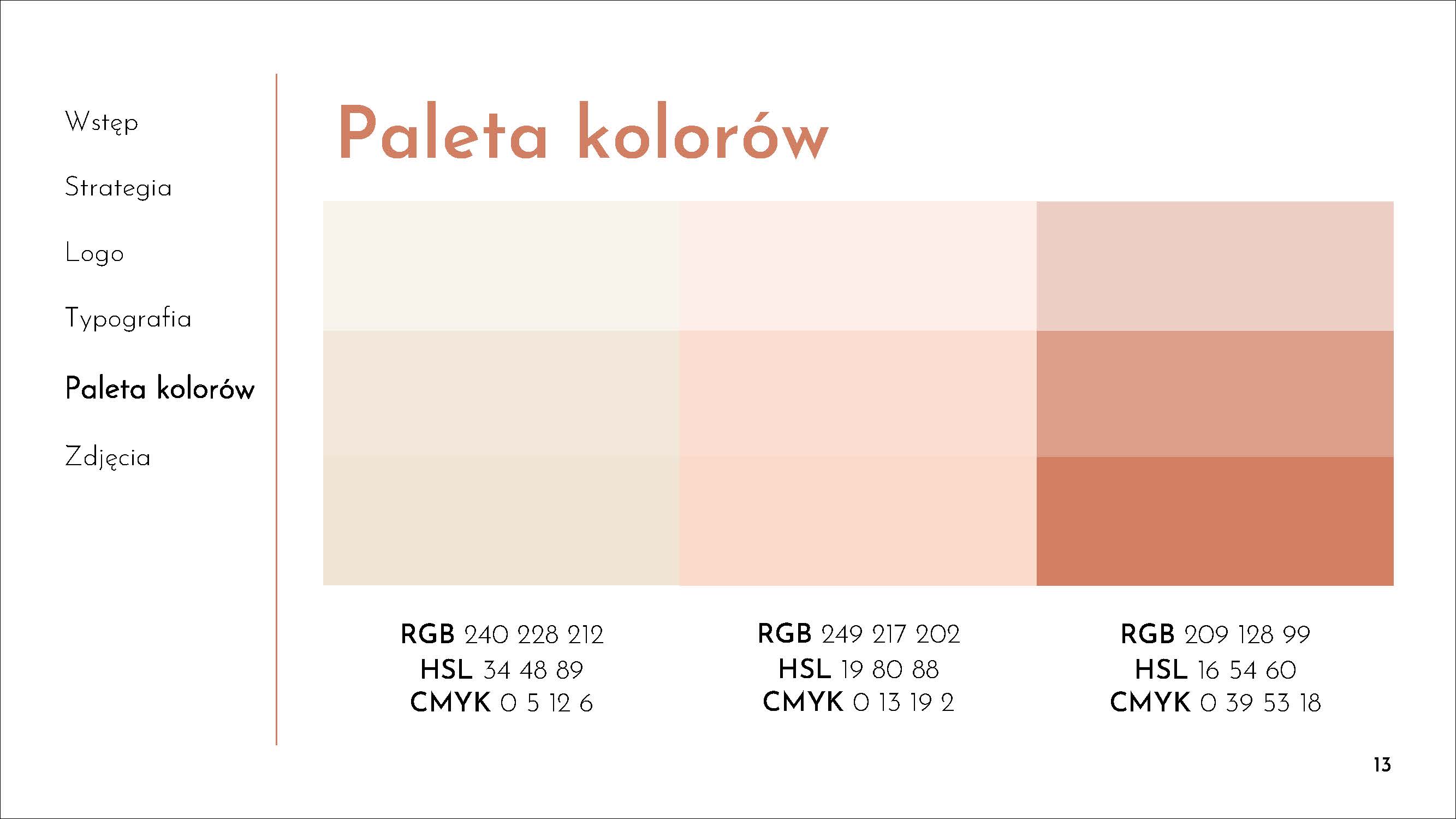
After defining the strategic direction for Less., I developed a comprehensive visual identity guide that became the foundation of the entire user experience. The document includes the brand mission, values, tone of voice, typography system, colour palette, and rules for logo and imagery use.
The objective was not to create a purely aesthetic deliverable, but to establish a coherent system that builds trust in a new brand and structures communication across the website.
The Less. visual system was designed to be:
• Calm and empathetic, avoiding the loud visual accents typical of the beauty industry
• Clear and functional, supporting fast and confident decision-making
• Gender-neutral, welcoming both women and men
• Consistent across every user touchpoint
The visual guidelines directly informed the UI design, information hierarchy, and service presentation logic.
KEY DECISIONS
The most important decisions that integrated branding with UX included:
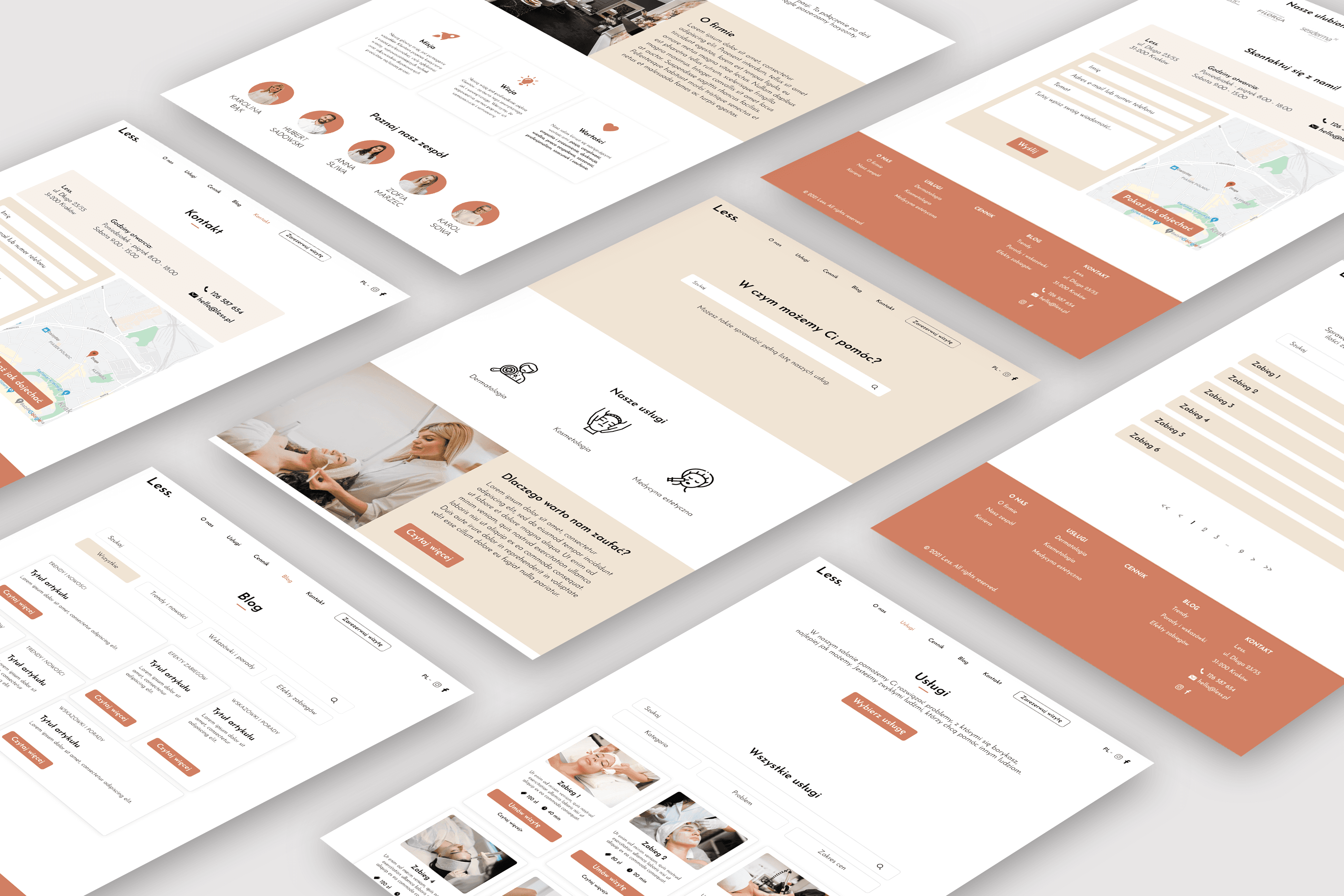
• Shifting the website structure from a treatment-based list to a problem-led framework
• Positioning Less. as an empathetic guide rather than a sales-driven service
• Moving away from aggressive beauty aesthetics towards calm, supportive communication
• Establishing appointment booking as the primary goal of the website and ensuring its visibility at key moments in the user journey
• Designing a cohesive visual and verbal language throughout the entire experience – from the first website visit to finalising the booking
User Testing
The interactive prototype was used to conduct usability testing. The study involved 15 participants who regularly visit beauty salons.
— Key findings:
• Users quickly understood the “problem → solution” logic.
• The “What concerns you?” section made it easier to find the appropriate service.
• Visible pricing and treatment results significantly increased users’ trust and sense of safety.
• The lack of an immediate booking option was identified as the primary conversion barrier.
• Users expected the CTA to be accessible at every key decision-making moment.
— Based on the tests:
• I retained the problem-oriented structure.
• I strengthened the visibility and prominence of the booking button.
• I simplified messaging and reduced informational content.
• I refined the hierarchy of trust-building sections.
The testing phase confirmed that designing UX, branding, and communication in parallel has a measurable impact on conversion in a local service business.